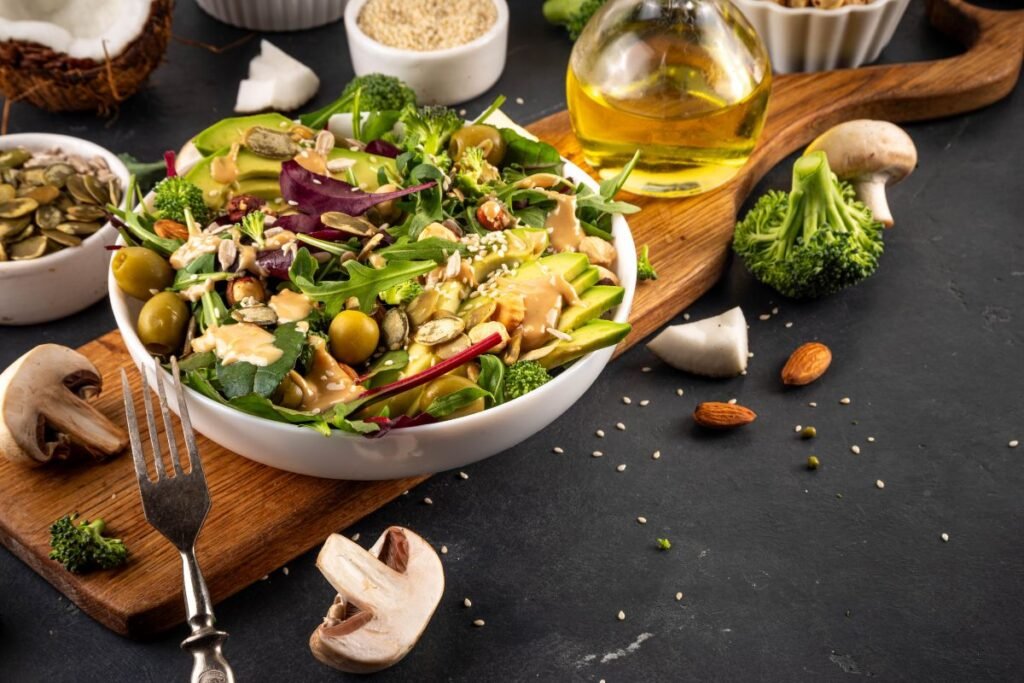
Plant-based eating is trending. But it’s more than a trend. It’s backed by solid science.
Eating more plants changes your health. Sometimes dramatically. The benefits go far beyond weight loss.
You don’t have to be fully vegan to benefit. Even eating more plant-based meals helps. Small changes add up.
This guide covers 10 proven health benefits of plant-based eating. Each is backed by research. Each is relevant to women’s health.
Whether you’re considering going fully plant-based or just eating more plants, this guide helps. You’ll learn what changes to expect. You’ll understand why plants matter.
Plant-based eating supports your body in multiple ways. Better energy. Better digestion. Better overall health.
What Is a Plant-Based Diet: Understanding the Basics
Understanding what plant-based eating really means helps you get started. It’s not as restrictive as many people think. Let’s break down the fundamentals.
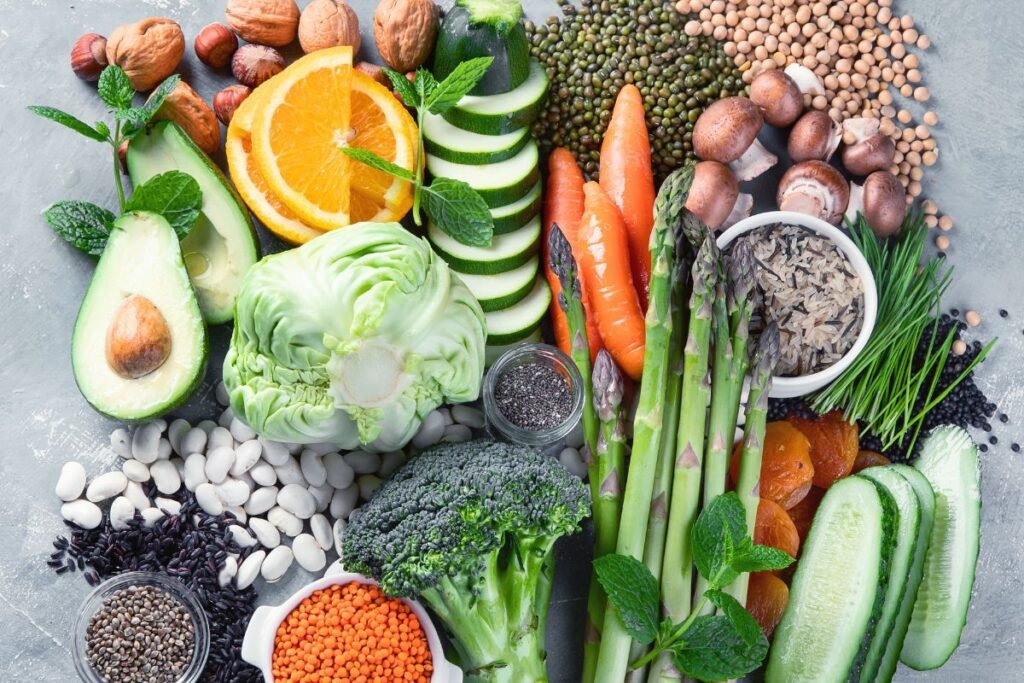
A plant-based diet emphasizes whole plant foods. Vegetables, fruits, grains, nuts, seeds, and legumes.
It doesn’t have to be 100% plants. Some people include fish or eggs. Some include dairy. This still counts as plant-based.
The key is making plants the focus. The majority of your calories come from plants. Not all your calories.
Plant-based doesn’t mean processed vegan junk food. It means whole, real plants. Potatoes, broccoli, beans, quinoa, berries, nuts.
This approach works for anyone. Any age. Any fitness level. Any budget.
Benefit 1: Better Heart Health with Plant-Based Diet

Heart disease remains a serious concern for women. The good news is that diet plays a massive role in heart health. Plant-based eating offers powerful protection.
Heart disease is the number one killer of women. Plant-based diets reduce risk significantly.
Plants contain no cholesterol. Animal products are loaded with it. Eating more plants lowers cholesterol naturally.
Plant-based eating reduces inflammation. Chronic inflammation damages arteries. Plants contain antioxidants that fight inflammation.
High blood pressure is common. Plant-based diets lower blood pressure. Studies show reductions within weeks of changing diet.
Your heart is a muscle. Feed it plants. It responds with better function and health.
Benefit 2: Healthier Weight Through Plant-Based Eating
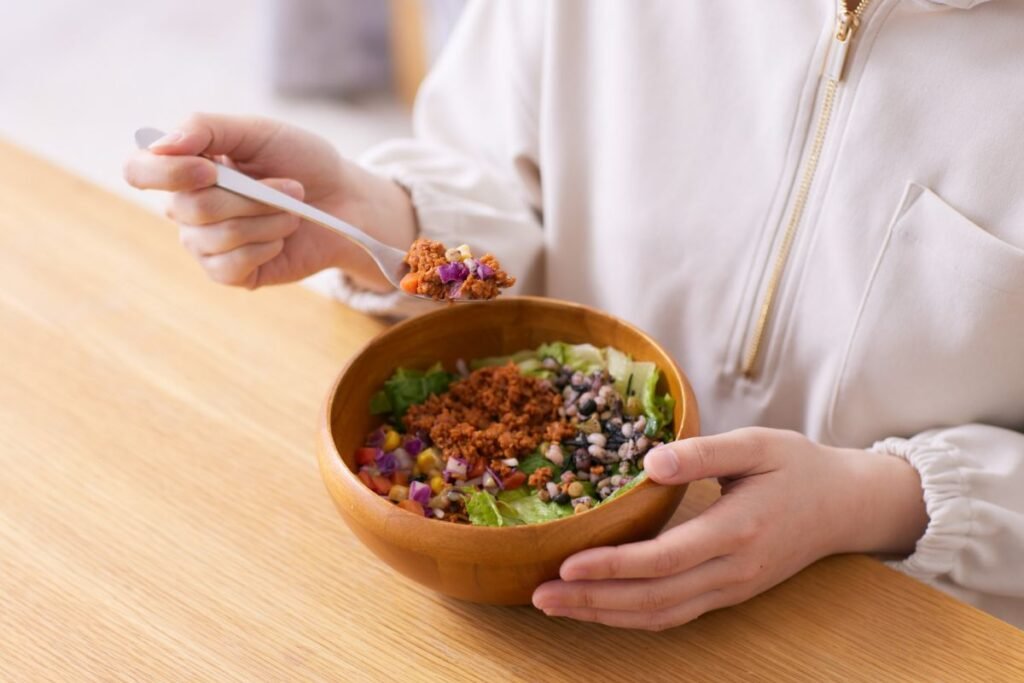
Weight management is a concern for many women. But it doesn’t have to mean constant dieting and deprivation. Plant-based eating makes weight loss easier naturally.
Plant-based diets support weight loss naturally. Not through restriction. Through nutrition.
Whole plants are nutrient-dense but calorie-light. You eat more volume but fewer calories. You feel satisfied on less.
Plants are high in fiber. Fiber fills you up. It keeps you full for hours. You eat less without trying.
Refined carbs and processed foods cause weight gain. Plants don’t. They support stable weight naturally.
Weight loss from plant-based eating is sustainable. You’re not deprived. You feel good. You maintain it long-term.
Benefit 3: Better Blood Sugar Control with Plant-Based Diet
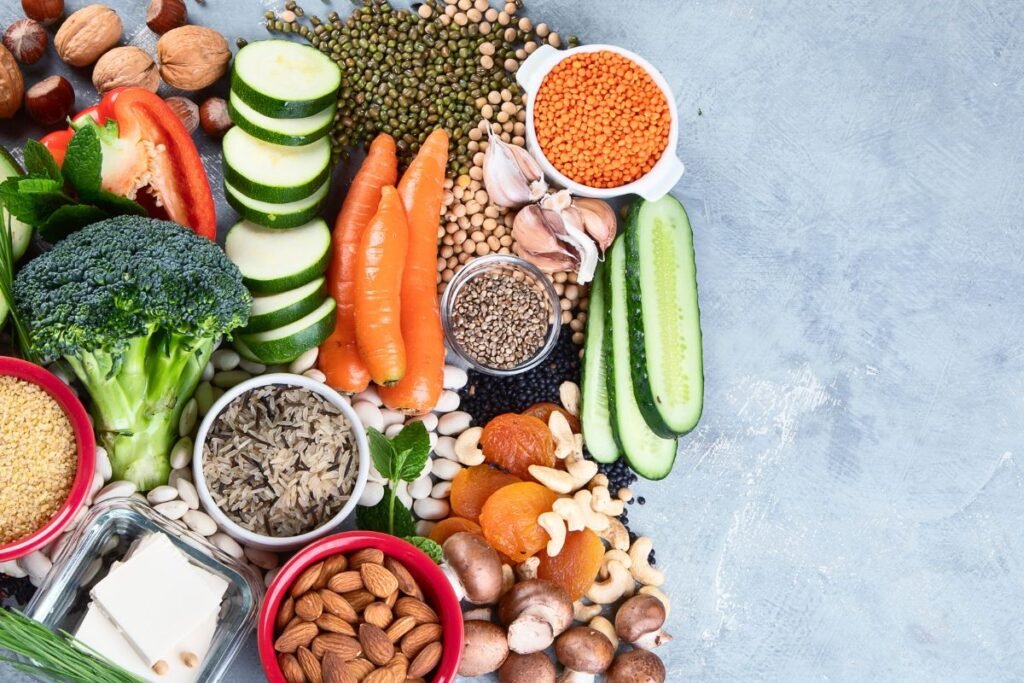
Diabetes rates are climbing faster than ever. But you have control over your blood sugar through dietary choices. Let’s explore how plant-based eating protects you.
Diabetes is skyrocketing in women. Plant-based eating prevents and reverses it.
Plants contain fiber. Fiber slows sugar absorption. Blood sugar rises gradually. No spikes and crashes.
Whole grains, beans, and vegetables have a low glycemic index. They don’t spike blood sugar. Refined carbs do.
Eating more plants reduces diabetes risk by up to 30%. Even small amounts help. Every plant meal counts.
Better blood sugar control means stable energy. No afternoon crashes. No constant tiredness.
Benefit 4: Improved Digestion and Gut Health on Plant-Based Diet
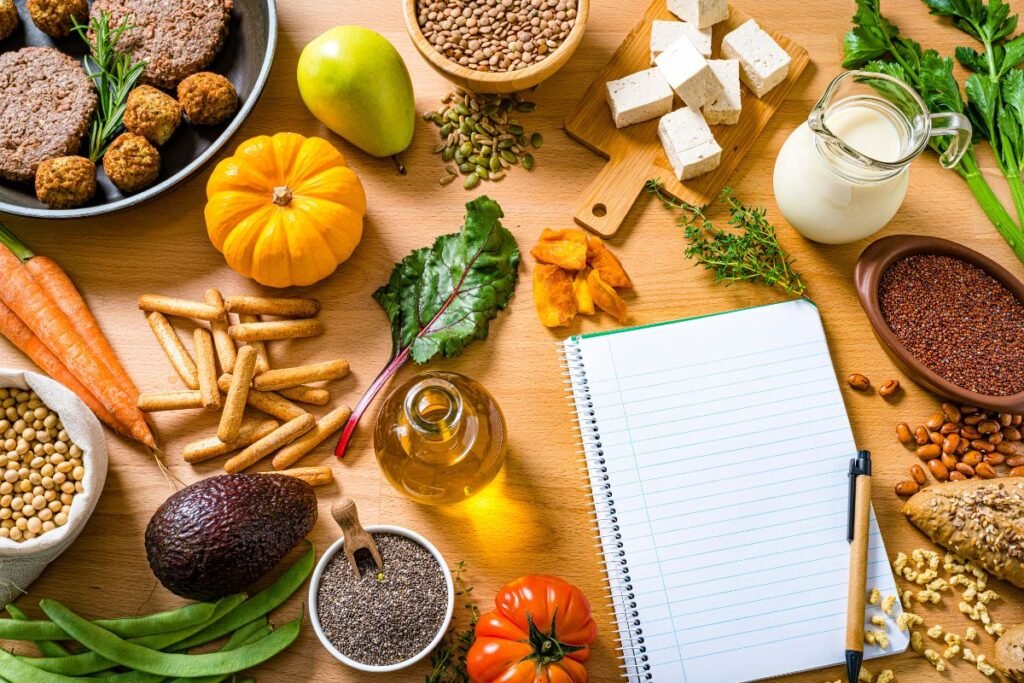
Digestive issues affect millions of people. Bloating, constipation, and discomfort are incredibly common. But they don’t have to be permanent. Your gut responds quickly to dietary changes.
Your gut is your second brain. Feed it plants. It responds with better health everywhere.
Fiber feeds beneficial bacteria in your gut. These bacteria produce compounds that protect your health. Plants are the only source of fiber.
Most people don’t eat enough fiber. This causes constipation, bloating, and poor digestion. Plants fix this.
A healthy gut improves immunity. Better digestion means better absorption of nutrients. Your whole body benefits.
Gut problems like IBS improve on plant-based diets. Bloating decreases. Energy increases. Digestion normalizes.
Benefit 5: Lower Cancer Risk with Plant-Based Diet
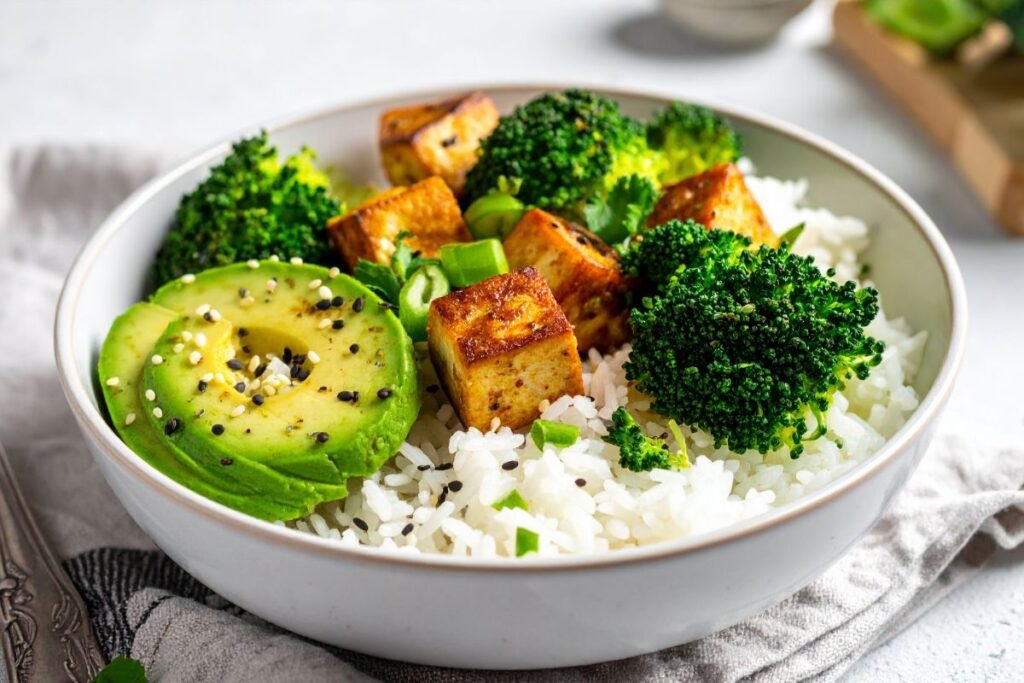
Cancer prevention is something we all think about. The scary truth is that cancer risk is partly in our control through lifestyle choices. Diet is one of the biggest factors.
Cancer is terrifying. But diet significantly influences risk.
Plants contain thousands of compounds that fight cancer. Antioxidants. Polyphenols. Phytochemicals. These compounds kill cancer cells.
Meat consumption increases cancer risk. Plant-based diets decrease it. Studies consistently show this.
Breast cancer risk decreases with plant-based eating. Colorectal cancer risk drops. Prostate cancer risk falls.
You can’t guarantee you won’t get cancer. But you can reduce risk significantly through diet.
Benefit 6: Stronger Bones Through Plant-Based Eating
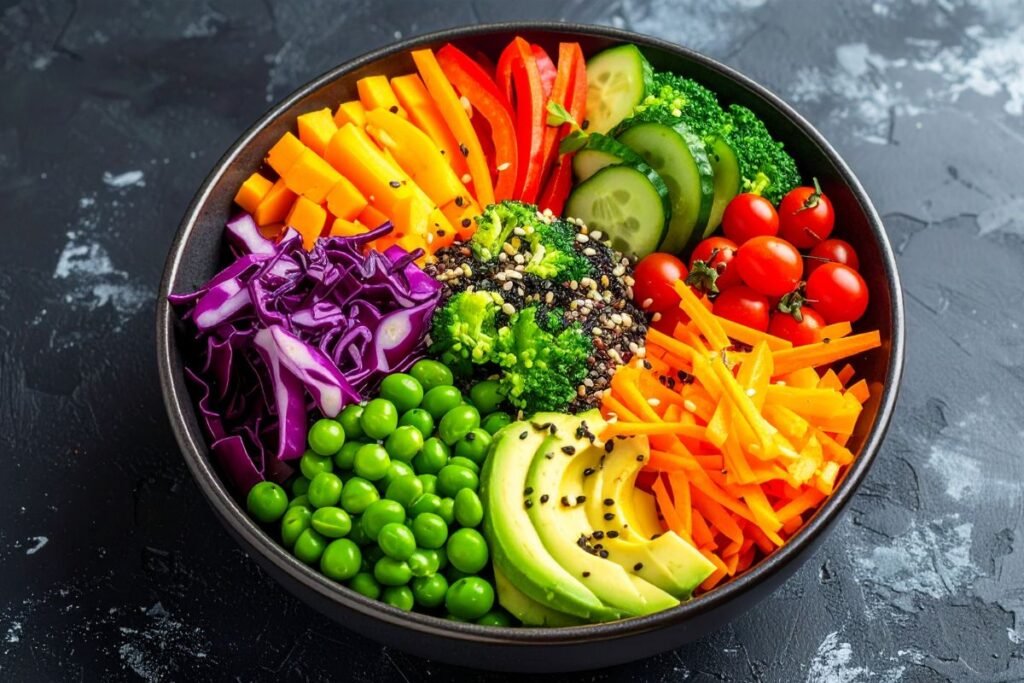
Bone health is especially important for women as we age. Osteoporosis affects millions and increases fracture risk. But a plant-based diet can protect your bones now and prevent problems later.
Women worry about osteoporosis. It’s a real concern as we age.
Plant-based diets support bone health. Plants contain magnesium and other minerals bones need.
Protein is essential for bones. You don’t need meat for protein. Beans, nuts, seeds, and grains provide plenty.
Excessive meat and salt actually leach calcium from bones. Plants don’t. They support calcium retention.
Strong bones prevent fractures and disability later in life. Feed your bones plants now. Thank yourself later.
Benefit 7: Clearer Skin with Plant-Based Diet
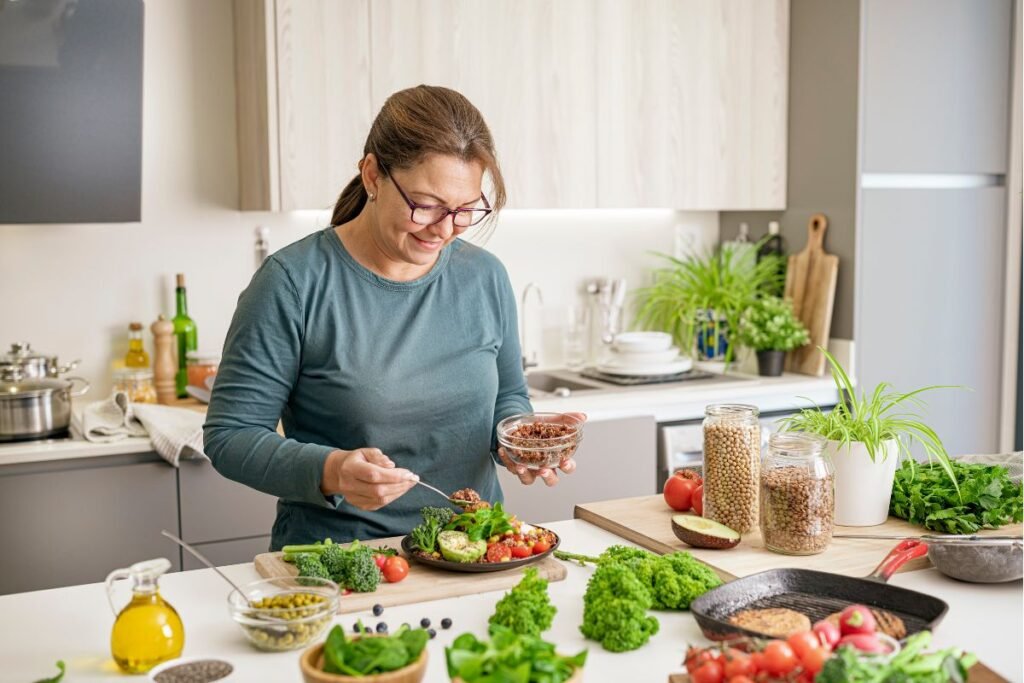
Beautiful skin matters to many women. But skincare is about more than just face creams and treatments. What you eat shows up on your face. Plant-based eating naturally clears skin.
Skin health starts inside. Eat plants. Watch your skin improve.
Inflammation causes acne and skin problems. Plants reduce inflammation. Acne clears. Skin glows.
Plants provide antioxidants that protect skin. They fight sun damage and aging. Your skin looks younger.
Dairy is linked to acne in many people. Cutting dairy and eating more plants clears skin. Results appear within weeks.
Hormone balance improves on plant-based diets. Clearer skin is often a side effect.
Benefit 8: Better Mental Health on Plant-Based Diet
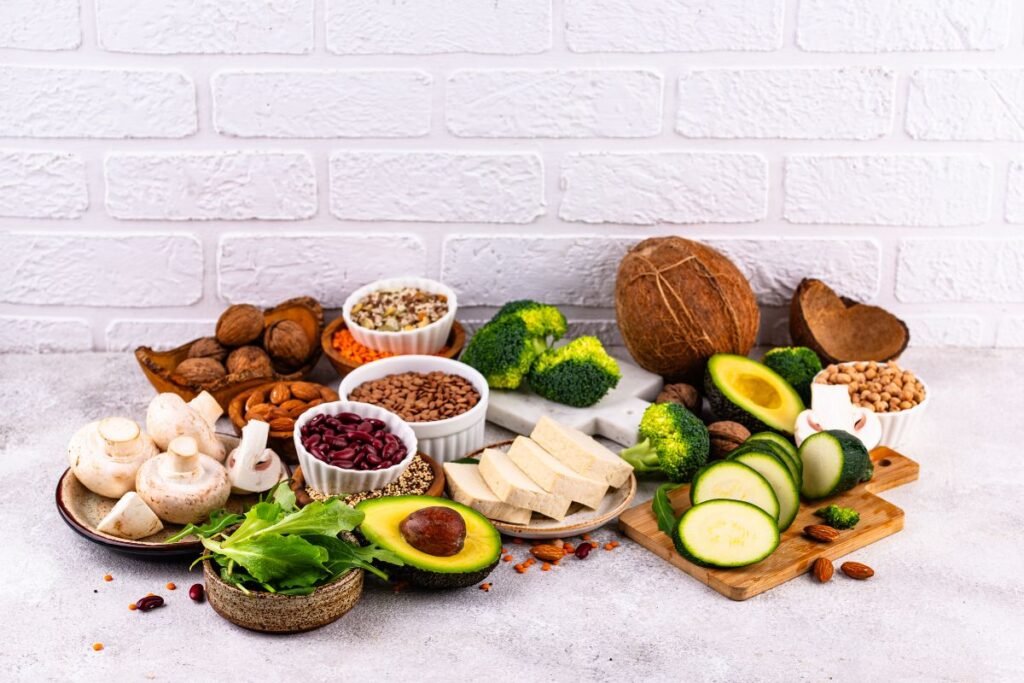
Mental health struggles are increasingly common among women. Depression and anxiety affect millions. But the solution might be simpler than therapy or medications. Food directly impacts mood.
Food affects mood. More than most people realize.
Depression and anxiety decrease on plant-based diets. The mechanism isn’t fully understood. But studies consistently show improvement.
Omega-3 fatty acids support brain health. Seeds, nuts, and algae provide them. Your brain needs these.
B vitamins support mood. Plants provide them. Especially leafy greens and legumes.
Stable blood sugar prevents mood swings and irritability. Plants stabilize blood sugar. Your mood stabilizes.
Better nutrition means better mental health. It’s that simple.
Benefit 9: Reduced Inflammation with Plant-Based Diet
Inflammation is the root cause of nearly every chronic disease. It’s silent, invisible, and dangerous. But plant-based eating directly fights inflammation at its source.
Chronic inflammation underlies most diseases. Heart disease. Cancer. Diabetes. Alzheimer’s. Inflammation is the common thread.
Animal products promote inflammation. Plants fight it. This is one of the biggest benefits of plant-based eating.
Antioxidants in plants neutralize inflammatory compounds. Your body becomes less inflamed. Everything improves.
Joint pain decreases. Arthritis improves. Pain that seemed permanent often resolves on plant-based diets.
Less inflammation means better health everywhere. Better energy. Better mobility. Better quality of life.
Benefit 10: Improved Brain Function and Memory with Plant-Based Diet

Cognitive decline and memory loss are common fears as we age. Alzheimer’s disease rates are climbing. But what you eat today directly impacts your brain health tomorrow. Plant-based eating protects your mind.
Brain health is crucial. Diet is the biggest factor.
Plants contain nutrients that protect brain cells. They prevent cognitive decline. They improve memory and focus.
Alzheimer’s disease is increasing. Plant-based diets reduce risk significantly. They slow cognitive decline if it’s already starting.
Blood flow to the brain improves on plant-based diets. This means better memory and focus. You think more clearly.
Plants prevent brain aging. Eating them now protects your mind as you age. Your future self will thank you.
Common Concerns About Plant-Based Eating: Addressing Your Questions
Many people hesitate to start plant-based eating because of specific worries. Will you get enough protein? What about nutrients? These are valid questions. Let’s address each one with real answers.
Protein concerns: Plants provide plenty. Beans, lentils, tofu, nuts, seeds, and grains are all high-protein.
Iron: Plant-based iron is abundant. Eat with vitamin C to improve absorption.
Vitamin B12: Take a supplement or eat fortified foods. This is the one nutrient plants don’t reliably provide.
Calcium: Leafy greens, fortified plant milks, and tofu provide calcium. You don’t need dairy.
Cost: Beans and rice are cheaper than meat. Plant-based eating saves money if done right.
Time: Simple plant meals cook faster than meat dishes. No complicated recipes needed.
Social situations: Bring a dish to share. Explain your choices kindly. Most people respect it.
These concerns are solvable. Don’t let them stop you from trying.
How to Start Eating More Plants: A Beginner’s Guide
Starting plant-based eating doesn’t require a dramatic overnight change. Small steps work better than big gestures. Here’s how to begin your plant-based journey.
You don’t have to go fully vegan overnight. Start small.
Try Meatless Monday. One plant-based meal per week. Build from there.
Replace half your meat with beans. A chili with half meat and half beans. Works great.
Eat one fully plant-based meal daily. Breakfast or lunch. See how you feel.
Stock your kitchen with plants. Dried beans, rice, frozen vegetables, nuts, seeds. These are your foundation.
Find recipes you love. Not all plant food is delicious. Find recipes that excite you.
Connect with others. Join online communities. Share recipes and support each other.
Progress over perfection. Every plant-based meal helps.
Practical Tips for Plant-Based Success: Making It Stick
Knowing the benefits is one thing. Actually sticking to plant-based eating is another. These practical tips make the transition easier and more enjoyable. Set yourself up for success from the start.
Combine complete proteins: Beans with rice. Nuts with seeds. This provides all amino acids.
Eat variety. Different plants provide different nutrients. Eat the rainbow.
Whole foods over processed. Whole grains, not vegan junk food. Real vegetables, not potato chips.
Plan ahead. Batch cook on Sunday. Prepare meals for the week.
Don’t overthink it. You don’t need special recipes. Rice and vegetables. Beans and toast. Simple food works.
Be patient with taste buds. They adapt. Give them 2-3 weeks. Food tastes better as taste buds adjust.
Address nutrients intentionally. B12 supplement. Varied diet for minerals. This prevents deficiencies.
Foods to Eat on a Plant-Based Diet: Your Shopping Guide
Wondering what you can actually eat on a plant-based diet? The answer is simple. There are hundreds of delicious plant foods. Here’s a complete guide to what belongs in your kitchen.
Vegetables: Leafy greens, broccoli, carrots, peppers, tomatoes, squash, mushrooms.
Fruits: Berries, apples, bananas, oranges, melons, avocados.
Whole Grains: Brown rice, oats, quinoa, whole wheat, millet, barley.
Legumes: Beans, lentils, chickpeas, peas.
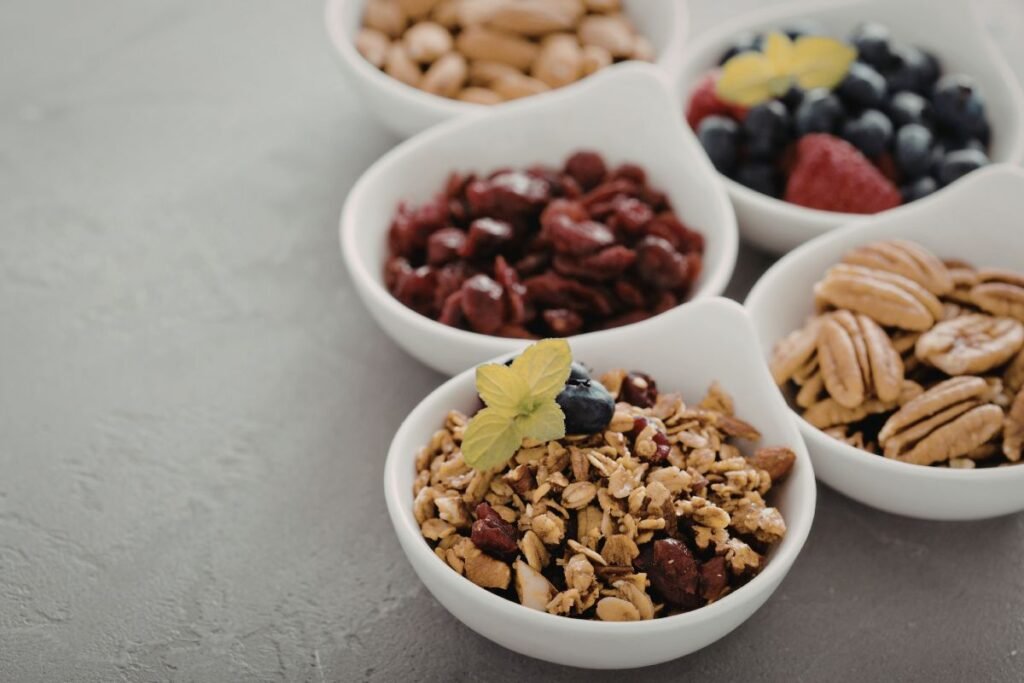
Nuts and Seeds: Almonds, walnuts, chia, flax, sunflower seeds, pumpkin seeds.
Healthy Fats: Olive oil, coconut oil, avocado oil.
Plant Milks: Soy, oat, almond, hemp, rice.
Tofu and Tempeh: Fermented soy products. Complete proteins.
These foods are affordable and accessible. Most are available in any grocery store.
Frequently Asked Questions About Plant-Based Diet
You probably have questions about plant-based eating. We’ve answered the most common ones. These questions address the biggest concerns people have.
Can I lose weight on a plant-based diet?
Yes. Most people lose weight naturally. You eat nutrient-dense foods. You feel satisfied on fewer calories.
Is plant-based eating safe for women?
Yes. It’s safe at any age. Pregnant women and athletes need more planning. But it works for everyone.
Can I build muscle on a plant-based diet?
Yes. Athletes thrive on plant-based diets. Get enough calories and protein. Lift weights.
How long before I see results?
Some benefits appear within days. Energy increases. Digestion improves. Weeks to months for weight loss and disease reversal.
Can I go plant-based on a budget?
Yes. Beans, rice, and seasonal vegetables are cheap. Plant-based eating saves money.
Myths About Plant-Based Diets: Separating Fact from Fiction
Many myths about plant-based eating keep people from trying it. These misconceptions are often based on outdated information or limited experience. Let’s clear up the biggest ones.
Myth: Plant-based diets are bland. False. Properly prepared plant food is delicious. Herbs and spices create amazing flavors.
Myth: You’ll be hungry all the time. False. Fiber and volume keep you full. You eat more and weigh less.
Myth: Plant-based eating is expensive. False. Beans, rice, and seasonal vegetables are affordable.
Myth: You can’t get protein from plants. False. Beans, nuts, grains, and seeds provide plenty of protein.
Myth: Everyone should go fully vegan. False. Flexibility works. Eat what feels right for your body.
Myth: Plant-based diets cause deficiencies. False. With variety, all nutrient needs are met. Except B12.
Myth: It’s too hard to change. False. Small changes work. Progress over perfection. You adapt quickly.
Making the Transition to Plant-Based Eating: Your Timeline
The transition to plant-based eating doesn’t happen overnight. A gradual approach works better than jumping in all at once. Here’s a realistic timeline for making the change.
Transition at your own pace. There’s no rush.
Week 1-2: Eat one plant-based meal daily. Try new recipes.
Week 3-4: Add another plant-based meal. Notice how you feel.
Month 2: Eat mostly plants. Keep some flexibility.
Month 3+: Adjust as needed. Find your personal balance.
Listen to your body. It tells you what it needs. Energy increases when eating right.
Conclusion
Plant-based eating offers transformative health benefits. Better heart health. Better weight. Better digestion. Better mood.
You don’t have to be perfect. You don’t have to be 100% vegan. Every plant-based meal helps.
Start small. Try Meatless Monday. Add more plants gradually. Notice how you feel.
Your body will respond. Your energy will increase. Your health will improve.
The science is clear. Plants work. Give them a chance. Your future self will thank you for the investment today.